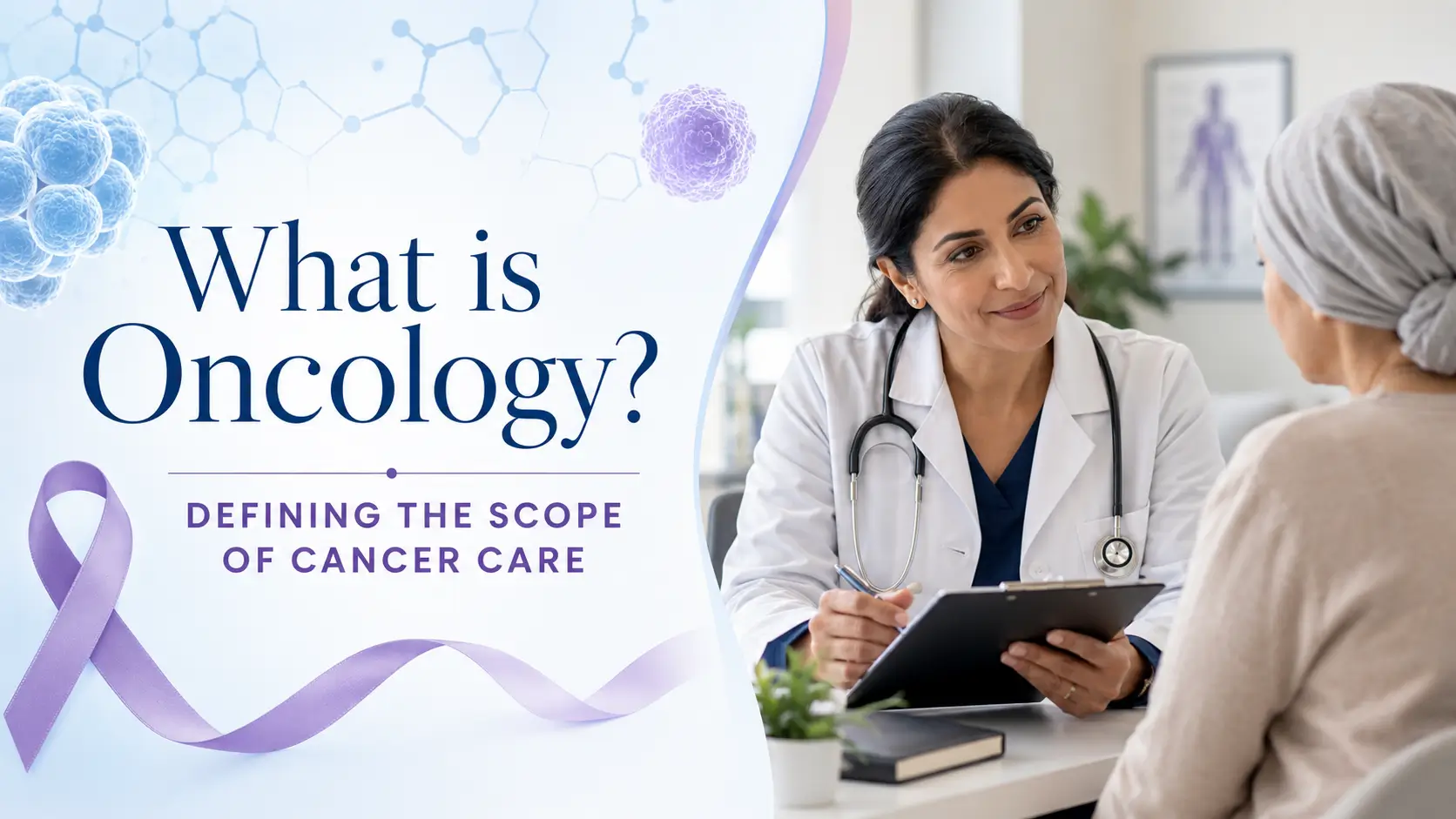
Oncology is the specialised branch of medicine dedicated to the prevention, diagnosis, and treatment of tumours and malignancies. An oncologist does more than prescribe medication; they act as the lead coordinator for a multidisciplinary team. This team often includes surgeons, radiologists, and pathologists who work in unison to manage the patient’s journey.
In the current clinical environment, oncology is divided into three primary sub-specialities:
-
Medical Oncology: Utilises systemic treatments such as chemotherapy, immunotherapy, and targeted therapies.
-
Surgical Oncology: Focuses on the physical removal of tumours and surrounding tissue during an operation.
-
Radiation Oncology: Employs high-energy particles or waves, such as X-rays or protons, to eliminate malignant cells.
When searching for the best oncology hospital in Dubai, patients prioritise facilities that integrate these three branches under one roof to ensure seamless transitions between therapy phases.
The Paradigm Shift: Precision Medicine and Genomic Profiling
Historically, doctors treated cancer based on its location in the body. Today, we treat the genetic “blueprint” of the tumour. Precision oncology uses Next-Generation Sequencing (NGS) to identify specific mutations within a patient’s DNA. This allows clinicians to use “smart missiles”, which are drugs designed to attack only the cells with that specific genetic error while sparing healthy tissue.
This move toward molecular-driven therapy reduces the “time toxicity” often associated with older treatments. Instead of enduring months of trial-and-error, patients receive therapies that have a higher statistical probability of success from the outset.
Breakthroughs in Therapeutic Modalities
Immunotherapy and CAR-T Cell Innovation
One of the most remarkable achievements of 2026 is the widespread application of immunotherapy. Unlike chemotherapy, which attacks cells directly, immunotherapy empowers the body’s own immune system to recognise and destroy cancer. “Checkpoint inhibitors” effectively take the brakes off the immune response, allowing T-cells to hunt down hidden malignancies. Furthermore, CAR-T cell therapy, once reserved solely for blood cancers, is now showing immense promise in treating solid tumours.
Robotic and Minimally Invasive Surgery
The physical toll of surgery has decreased significantly. Surgeons now utilise robotic-assisted platforms to perform complex resections through tiny incisions. These systems provide a 3D, high-definition view and greater dexterity than the human hand. For patients at the best hospital in Mankhool, this translates to less post-operative pain, reduced scarring, and a much faster return to daily life.
The Importance of Early Detection and Screening
Survival rates for most cancers are directly proportional to the stage at which the disease is identified. Modern oncology emphasises “liquid biopsies”, i.e. simple blood tests that can detect circulating tumour DNA long before symptoms appear or traditional scans can pick up a mass.
Regular screenings for breast, colorectal, and lung cancers remain the gold standard. In Dubai, medical facilities have streamlined these processes, making it easier for residents to include life-saving check-ups in their annual health routines.
A Multidisciplinary Approach to Patient Well-being
Clinical excellence is only one half of the equation. Modern oncology recognises that a diagnosis affects the mind as much as the body. Comprehensive cancer centres now integrate psychosocial support, nutritional counselling, and palliative care from day one. This holistic framework ensures that the patient feels supported, informed, and empowered throughout their treatment.
Navigating the various stages of cancer care needs a dedicated team that stays close to the latest global research. Whether it involves participating in a decentralised clinical trial or accessing the latest FDA-approved targeted drug, the goal remains the same: achieving remission while maintaining the highest possible quality of life.
Navigating Your Journey in Dubai
Dubai has established itself as a global hub for medical excellence, particularly in the field of oncology. The integration of AI-driven diagnostic tools and Western board-certified expertise ensures that patients receive world-class care without needing to travel abroad.
Choosing a healthcare provider requires precision and technology. It requires a balance of trust, technological capability, and compassionate communication. By focusing on evidence-based practices, the leading medical institutions in the region continue to set new benchmarks for survival and patient satisfaction.
Final Thoughts
-
Knowledge is Power: Understand your specific molecular markers. Ask your doctor about NGS testing.
-
Seek Multidisciplinary Input: Ensure your case is reviewed by a “Tumour Board” where various specialists discuss your plan.
-
Prioritise Support: Do not overlook the value of mental health resources and physical rehabilitation.
The future of oncology is no longer a distant hope; it is a present reality defined by precision, empathy, and an unwavering commitment to innovation. By choosing a facility that embraces these values, you ensure that your path to health is paved with the most advanced medical science available today.
Related:
Amina Hospital Ajman | Location, Services, Departments and Patient Guide
Share this article

Written by : Barika Awad
Barika Awad writes for UAE Script, specializing in UAE finance and lifestyle content — from bank services to visa and residency guides. She's passionate about making official processes easier to understand for expats and residents alike.
Follow us
A quick overview of the topics covered in this article.