
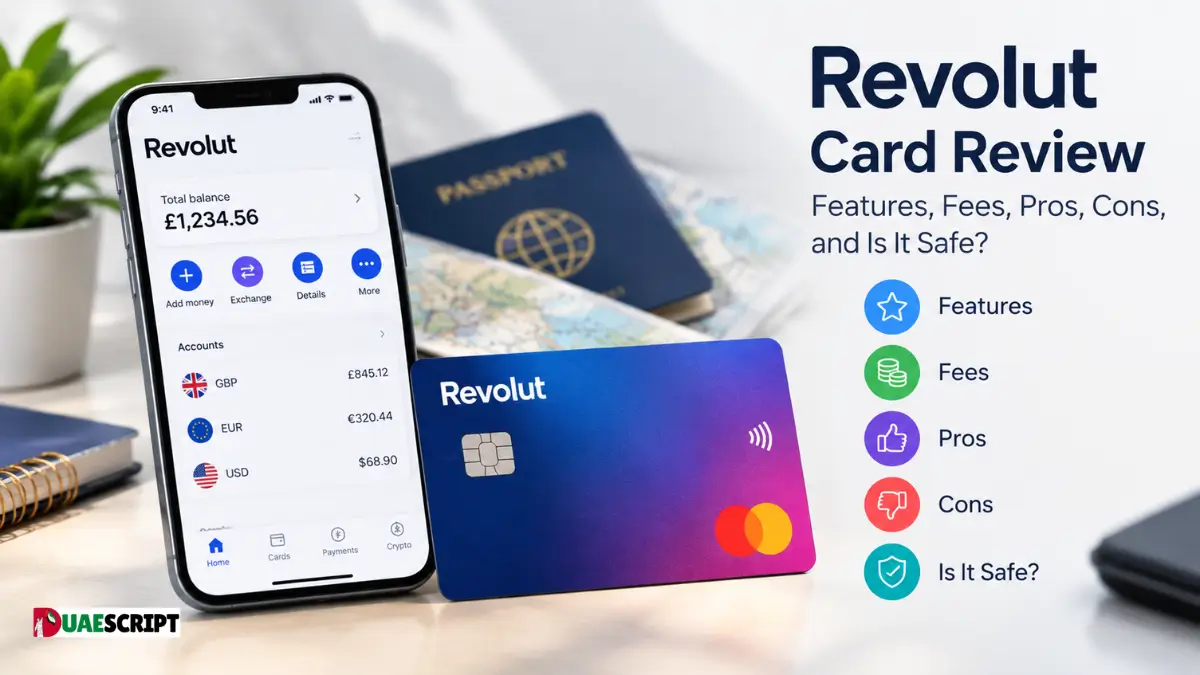
Banking has moved well beyond brick-and-mortar branches, with borderless digital wallets now taking center stage. Revolut is one of the most visible names in that shift. Frequent travelers, freelancers working with international clients, and people looking for clearer budgeting insights on their phones have likely come across the popular fintech card.
Revolut began with a mission to eliminate hidden banking fees. Since then, it has expanded from a basic travel card into a global financial super-app serving over 40 million customers. Still, tiered subscription plans, complicated weekend currency markups, and changing regulatory frameworks raise a practical question: is it really worth adding to your wallet? This first-hand analysis examines how Revolut works, what it actually costs, how it compares with competitors, and whether your money is safe.
Introduction & Overview
Revolut is a financial technology company, though it is not a traditional bank in every region. It provides multi-currency accounts, debit cards, budgeting tools, investment options, and peer-to-peer payments. Founded in 2015, the company has always aimed to make managing money around the world as inexpensive and seamless as sending a text message.
Unlike traditional banks, which often impose steep exchange rates and fees on cross-border transactions, Revolut uses interbank rates to help users keep more of their money. Its appeal extends to frequent travelers frustrated by tourist-trap conversions, expats sending money home, and budget-conscious consumers who want detailed insight into their spending.
Core Features & How It Works
Signing up for Revolut takes only a few minutes. A clear grasp of how its main features work helps you get the most from the service.
-
Account Setup & Card Ordering: After downloading the mobile app, you verify your identity with a government-issued ID and receive a digital card right away. A physical card can also be ordered for delivery to your doorstep.
-
Multi-Currency Wallet System: The app lets you hold and exchange dozens of fiat currencies, including USD, EUR, and GBP. Before traveling or making an international purchase, you can lock in a favorable exchange rate.
-
Advanced Security Controls: Security features are built right into the app. From there, you can instantly freeze or unfreeze your physical card, disable location-based security while traveling, switch off online or contactless payments, or create disposable virtual cards for one-time online purchases, helping prevent fraud.
Fee Structure & Exchange Rates
Revolut presents itself as a low-cost, sometimes free alternative to traditional banking, but the fee details still deserve close attention if you want to avoid unexpected charges.
-
Interbank Exchange Rates: From Monday through Friday, users receive real-time interbank rates without an additional markup, up to the monthly allowance included with their plan.
-
Weekend Markups: Currency markets close over the weekend, so Revolut adds a markup—usually between 0.5% and 1.0%—to exchanges made from Friday evening through Sunday night. This is intended to guard against market volatility.
-
Tiered Subscription Plans:
-
Standard (Free): Offers basic spending in multiple currencies, fee-free ATM withdrawals up to a set monthly limit—usually $200 or its equivalent—and basic budgeting tools.
-
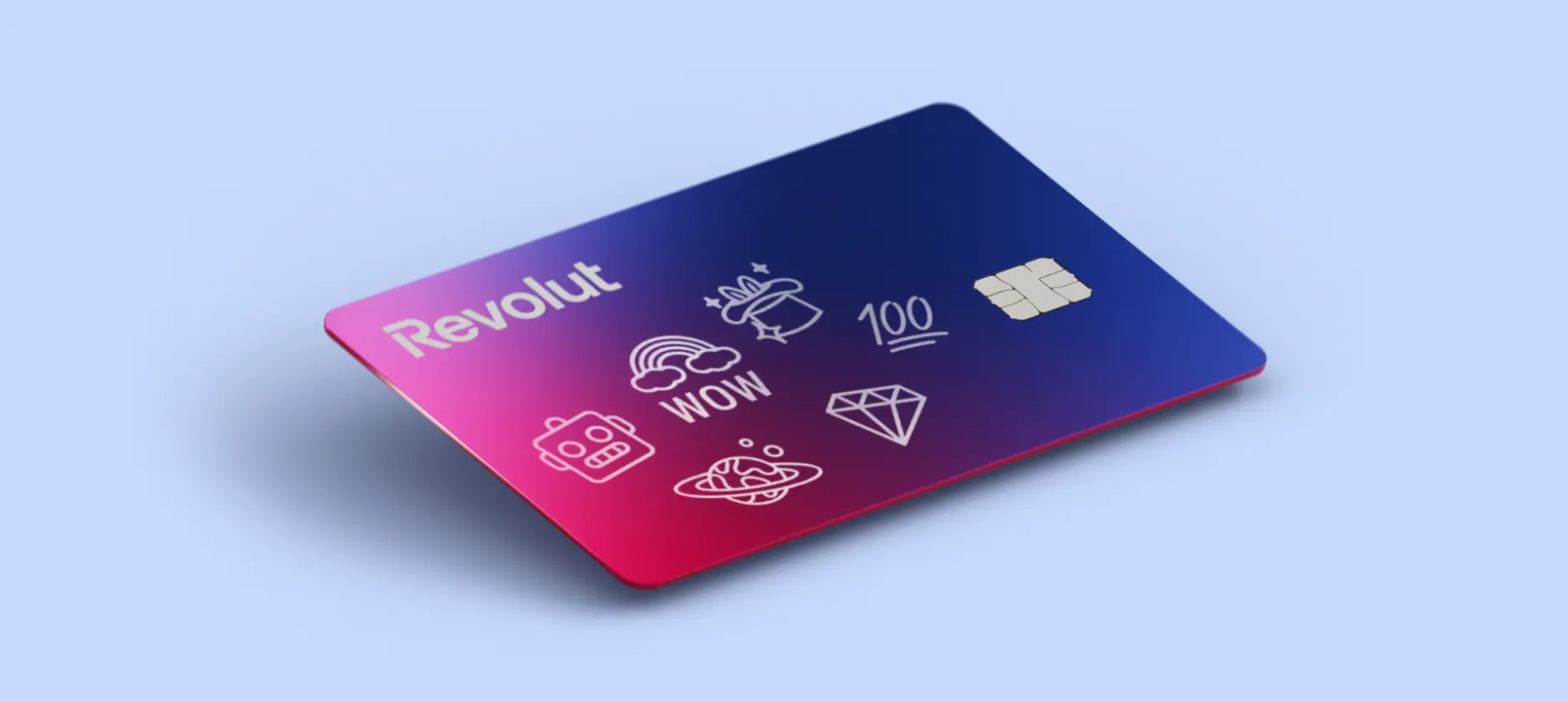
Paid Tiers (Plus, Premium, Metal, Ultra): Monthly costs range from modest to high-end, with benefits that include higher fee-free exchange limits, travel insurance, airport lounge access, specialized metal cards, and increased cashback or crypto rewards.
-
Pros and Cons of Using Revolut
Every financial tool involves trade-offs. Looking at its strengths alongside its limitations makes it easier to decide whether Revolut suits your lifestyle.
Advantages
-
Exceptional Travel Companion: You can spend abroad in local currencies without paying hefty foreign transaction fees.
-
Low-Cost International Transfers: Move money across borders more quickly and at a lower cost than with traditional wire transfers.
-
Smart Budgeting Tools: “Vaults” automatically set aside spare change, while instant push notifications for each transaction and detailed monthly spending analytics help you stay accountable.
-
Instant Peer-to-Peer Payments: Split bills with ease or send money instantly to other Revolut users around the world.
Drawbacks
-
Weekend Exchange Fees: Currency exchanges and foreign-currency spending over the weekend come with added costs unless you plan ahead.
-
Customer Support Limitations: All customer service takes place through in-app chat, and complex disputes can sometimes lead to frustrating delays or repeated loops with automated bots.
-
Account Review Triggers: Strict anti-money laundering (AML) regulations mean Revolut’s automated security systems may sometimes flag accounts after sudden large transfers. When that happens, funds are temporarily locked until the required verification documents are provided.
-
No Physical Branches: Revolut has no brick-and-mortar locations for customers who prefer face-to-face service.
Revolut vs. Traditional Banks & Competitors
To understand where Revolut stands out, it helps to compare it with traditional high-street banks and direct competitors such as Wise and N26.
Compared with traditional banks, Revolut gives up some stability, physical branches, complex lending products such as mortgages, and dedicated human customer service. Its advantages are exchange rates, speed, the app interface, and convenience for travelers.
Wise is more narrowly focused on international money transfers and multi-currency accounts, with ultra-transparent, low-cost fees. Revolut covers more ground as a financial super-app, adding budgeting tools, crypto, stocks, and lifestyle perks. In that sense, it is closer to a digital-first primary account.
Vs. N26: N26 is a fully licensed mobile bank in Europe, centered mainly on everyday retail banking. Revolut, by contrast, functions more like a nimble fintech ecosystem with a wide range of additional features.
Is Revolut Safe and Legit?
When your money is involved, security is naturally the main concern. The regulatory framework governing Revolut depends on where you live.
In Europe, Revolut operates with a specialized banking license from the Bank of Lithuania, so eligible customer deposits receive protection of up to €100,000 through the European Deposit Guarantee Scheme. In the United States, it works with chartered partner banks, including Lead Bank, which provide FDIC insurance for cash balances.
Beyond meeting regulatory requirements, Revolut uses advanced encryption, two-factor authentication (2FA), and machine learning algorithms to identify fraudulent activity in real-time. It is a legitimate and safe financial institution, but many experienced users still treat it as a flexible travel or spending wallet instead of keeping their entire life savings there. That is a prudent risk-management strategy.
Verdict & Final Recommendation
Revolut can be a particularly useful financial tool for digital nomads, frequent travelers, online shoppers, and people trying to avoid the high fees charged by traditional banks. For anyone who regularly deals with multiple currencies or wants close control over everyday spending through a straightforward smartphone app, trying the Standard plan carries no risk. There are limits, though: customers who need dedicated human assistance, access to physical branches, or complex commercial loans may be better off keeping a traditional bank as their main provider and using Revolut mainly for travel and lifestyle expenses.
Frequently Asked Questions
Is the Revolut Standard card actually free?
Yes. The Standard plan has no monthly subscription fee, and your first physical card is typically free to order. Standard shipping charges may still apply, depending on your region.
If the basic plan is free, how does Revolut make money?
Revolut earns revenue from its paid subscription tiers—Plus, Premium, Metal, and Ultra—as well as interchange fees merchants pay when you use the card. It also makes money through weekend markups on currency exchanges and optional fees for crypto, stock trading, and commodity investments.
Can I use my Revolut card to withdraw cash abroad?
Yes. Revolut cards can be used to withdraw cash from ATMs worldwide. With the Standard plan, withdrawals are fee-free up to a monthly limit—for example, $200 or the equivalent amount. After that, a small percentage fee applies.
Does Revolut charge extra for spending foreign currencies on weekends?
Yes. Global currency markets close on weekends, so Revolut adds a small markup, usually 0.5% to 1.0%, to transactions or exchanges made between Friday and Sunday. This protects against currency fluctuations.
Is Revolut a registered bank?
The answer depends on the region. Within the European Economic Area (EEA), Revolut operates with a specialized banking license. In places such as the UK and the US, it mainly functions as an electronic money institution or works with insured depository banks.
What happens if my Revolut card is lost or stolen?
With one tap in the mobile app, you can freeze your card immediately. From there, order a replacement and create a virtual card right away, so you can keep spending through Apple Pay or Google Pay.
Can my salary be paid directly into my Revolut account?
Yes. Revolut gives you local account details—such as account and routing numbers in the US or an IBAN in Europe—so you can arrange direct deposits for your salary or freelance income.
Why did Revolut temporarily lock my account?
Revolut relies on automated systems to prevent fraud and money laundering. A security flag—an unusually large deposit or rapid international transfers, for example—can result in a temporary account lock while you provide the requested identity or source-of-funds verification.
Can I invest in stocks and crypto using Revolut?
Yes. Revolut offers retail investment features through which users can buy stocks, exchange-traded funds (ETFs), and cryptocurrencies, although availability depends on the country and regulatory jurisdiction.
How do I contact Revolut customer support if I have an issue?
Customer support is mainly provided through the live chat feature in the app. Automated assistants deal with initial questions, but the chat interface also lets you ask to speak with a human support agent.
Related:
10 Best PPC Cards in UAE | Features, Benefits, Eligibility & How to Choose the Right Card
Share this article

Written by : Barika Awad
Barika Awad is a writer at UAE Script, sharing insightful content on fashion, lifestyle, and personal style with a focus on practical, elegant ideas.
Follow us
Latest articles

September 14, 2026
September 14, 2026
September 14, 2026