
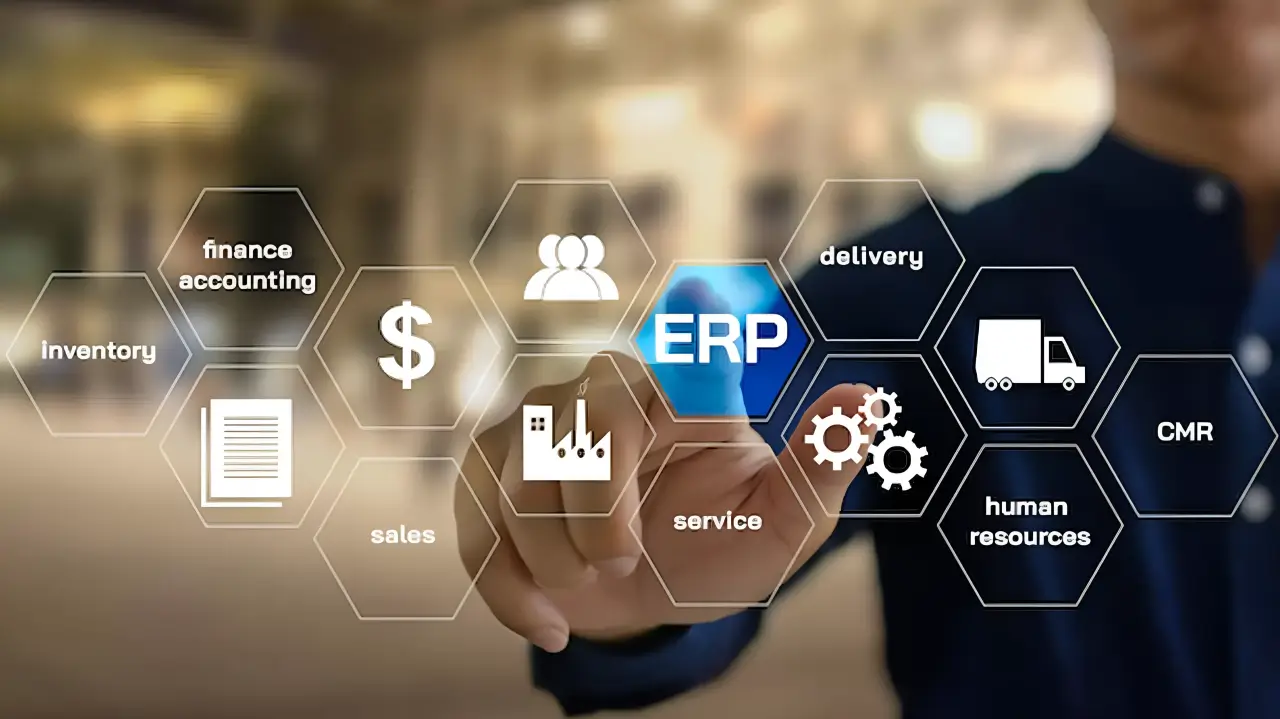
Choosing the right Enterprise Resource Planning (ERP) solution is one of the most significant decisions for businesses looking to streamline operations, increase efficiency, and stay competitive. According to a 2024 industry report, 66% of organizations said their ERP systems increased operational efficiency, making ERP a key driver for business performance.
With a variety of ERP systems available, many organizations, especially those in Saudi Arabia, struggle to identify the best solution that fits their industry and business needs. The good news is, with the right approach, you can explore ERP solutions that are a perfect match for your business, without needing an external consultant.
In this article, we’ll walk you through the steps to evaluate and choose the right ERP solution for your industry. We’ll also provide key considerations that will help you make an informed decision.
Read More Topics on UAEScript
Why ERP Solutions are Crucial for Your Business
Before we dive into how to identify the best ERP solution, let’s briefly look at why it’s essential for your business to implement an ERP system.
1. Efficiency and Streamlined Operations
An ERP system integrates core business processes such as finance, sales, inventory, and human resources. By centralizing data and automating manual tasks, it helps businesses operate more efficiently.
2. Improved Decision-Making
With real-time data and analytics, an ERP system enables business leaders to make informed decisions quickly, reducing guesswork and enhancing performance.
3. Scalability
As your business grows, a well-implemented ERP solution scales with your operations. Whether you’re expanding your team or launching new product lines, your ERP system will support the added complexity.
4. Enhanced Collaboration and Communication
An ERP system provides a unified platform where all departments can access the same data in real-time. This improved visibility fosters better collaboration and communication between teams, leading to faster decision-making and more cohesive operations.
5. Regulatory Compliance and Risk Management
For businesses in Saudi Arabia, staying compliant with local regulations, such as VAT and ZATCA e-invoicing, is critical. ERP solutions can automate compliance tracking, reducing the risk of costly fines and penalties while ensuring that your business meets all legal requirements efficiently.
In essence, an ERP system is the backbone that helps businesses in Saudi Arabia streamline their operations and stay ahead of the competition.
How to Identify the Right ERP Solution for Your Industry
Now, let’s get into the practical steps of identifying the right ERP solution for your industry. While it’s often tempting to rely on consultants to guide you through the process, you can take the lead by following these steps.
Step 1: Understand Your Business Needs
The first and most important step in choosing an ERP system is to have a clear understanding of your business needs. These needs will drive the features and functionality you require in an ERP solution.
Key Questions to Ask:
- What are my business objectives?
- What are the main pain points in my current operations?
- What are the industry-specific requirements that an ERP must meet?
For example, if you are in manufacturing, you may need modules related to supply chain management and inventory tracking. If you’re in retail, integration with e-commerce and customer relationship management (CRM) might be a priority.
Step 2: Choose an Industry-Specific ERP System
Many ERP systems are customizable, but industry-specific solutions are often the best choice. These systems are tailored to meet the unique challenges and regulations of your sector. Whether you’re in manufacturing, retail, construction, or any other industry, there’s an ERP solution designed for your specific needs.
For businesses in Saudi Arabia, a locally relevant ERP system like HAL ERP can help ensure that you are compliant with local laws, including Saudi VAT and ZATCA e-invoicing requirements.
Step 3: Prioritize Integration and Customization
One of the key advantages of modern ERP systems is their ability to integrate with existing software tools. Look for ERP solutions that can integrate seamlessly with your current systems (CRM, e-commerce, accounting tools, etc.).
Moreover, customization is a crucial factor. As your business evolves, you may require new features or tweaks to meet changing business needs. Choose an ERP provider that allows for easy customization and scalability to grow with your business.
Pro Tip: Choose an ERP system that allows integration with tools like HAL’s Business Success CRM that can automate tasks, track leads, and increase sales productivity.
Step 4: Evaluate the Usability of the ERP System
The user-friendliness of an ERP system can significantly impact adoption across your organization. A complex, difficult-to-use ERP will result in low adoption and increased training costs. Therefore, choose a solution that’s easy for your team to understand and use daily.
When evaluating an ERP system’s usability:
- Request a demo: This will allow you to test the system’s user interface and navigation.
- Engage with the vendor: Understand how the system supports multiple user roles (sales, finance, HR) and whether it provides mobile access for on-the-go management.
Step 5: Assess Customer Support and Training Resources
Your relationship with the ERP vendor doesn’t end once the software is implemented. Ongoing support and training are critical to ensuring the system continues to serve your business needs.
Consider the following when assessing customer support:
- Availability: Ensure the vendor offers support during your business hours.
- Support channels: Opt for vendors that offer phone, email, and live chat support.
- Training resources: Look for vendors that provide online tutorials, manuals, and user groups to ensure a smooth learning curve for your team.
Step 6: Review Pricing and Total Cost of Ownership
The total cost of ownership for an ERP system includes more than just the software purchase price. You must consider:
- Implementation costs
- Customization and integration fees
- Ongoing subscription fees
- Maintenance and training costs
It’s essential to align your ERP solution with your budget while ensuring it delivers maximum value. HAL offers affordable pricing, making it accessible for small to mid-sized businesses, while providing scalability as your needs evolve.
When reviewing costs, ensure you are comparing the total cost of ownership across different solutions. Some ERP providers may offer free trials or flexible payment plans, so you can test the system before committing.
Step 7: Look for Reporting and Analytics Features
An ERP system should provide powerful reporting and analytics capabilities. Real-time data analysis is key to making informed decisions and driving business growth. Your ERP should enable you to generate reports for finance, sales, inventory, and other key business functions.
Look for:
- Customizable reports that align with your business needs.
- Real-time analytics to track performance and identify trends.
- Forecasting tools that help predict future business needs.
By leveraging the power of analytics, you can make data-driven decisions that optimize operations and boost profitability.
Step 8: Check Vendor Reputation and Case Studies
Before making a final decision, research the reputation of the ERP vendor you are considering. Look for customer testimonials, case studies, and reviews to understand how well the system works in real-world scenarios.
A reliable vendor, like HAL, will have case studies that demonstrate the success of its ERP systems in industries relevant to your business. This provides confidence that the solution can deliver on its promises.
Conclusion
Choosing the right ERP solution for your business can seem daunting, but by following these steps and focusing on your industry’s specific needs, you can make an informed decision without needing a consultant. Start by understanding your business processes, looking for industry-specific features, and ensuring compliance with local regulations.
With the right ERP solution, you can streamline operations, improve efficiency, and boost profitability. If you’re ready to explore ERP solutions that are designed specifically for businesses in Saudi Arabia, look no further than HAL.
Share this article

Written by : Barika Awad
Barika Awad writes for UAE Script, specializing in UAE finance and lifestyle content — from bank services to visa and residency guides. She's passionate about making official processes easier to understand for expats and residents alike.
Follow us
A quick overview of the topics covered in this article.