
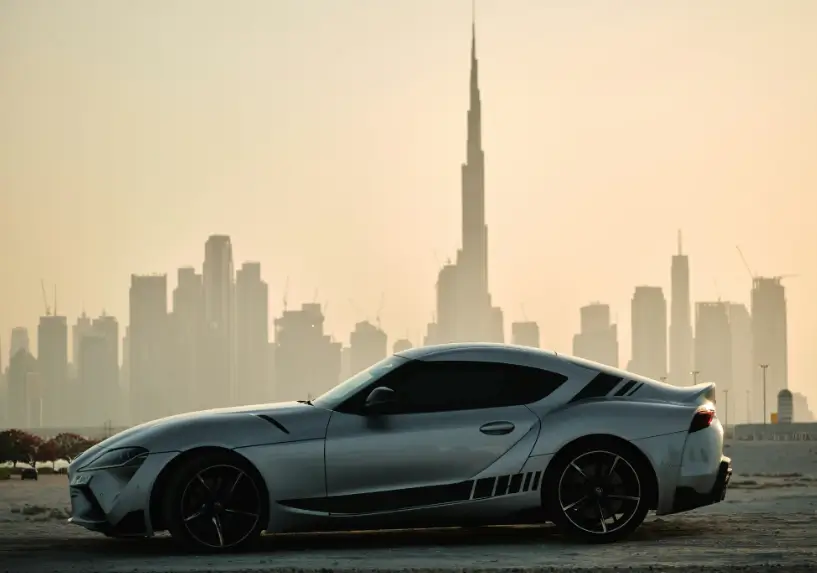
The UAE is one of the few places where a single long weekend can include stop-start traffic on a sprawling multi-lane boulevard, a long, straight run through the desert and a climb up switchbacks to well above the coastal plain. Picking a car for that kind of trip is less about badges and more about which roads you will spend the most time on. BMW’s line-up covers the range well, from roomy SUVs to a sharp two-door coupé, but each model feels at home in a different setting.
If you are starting in the emirate where most visitors land, BMW rental in Dubai is a practical way to see which models are on offer for your dates, since the selection on any given week varies. The X5, X7 and M4 used throughout this guide are examples of three very different approaches to driving here. What follows is organised by road type, because that is where the differences between these cars really show.
City Driving: Downtown, the Marina and Abu Dhabi’s Grid
Urban driving in the UAE has its own rhythm. Sheikh Zayed Road through Dubai is wide but busy, interchanges come up fast, and lane changes near exits require confidence. In Abu Dhabi, the island grid is more orderly, though parking in the older central districts can be tight.
BMW X5. For most city trips, this is the easiest of the three to live with. The raised seating position gives a clear view over traffic, which helps when you are reading overhead signs and spotting your exit. It is large enough for a family and luggage but not so big that multi-storey car parks in malls become a chore.
BMW X7. The X7 is comfortable in town but noticeably bulkier. It shines when you are carrying a full house of passengers, for example relatives visiting for a wedding or a group of colleagues heading to dinner. If your trip is mostly two people and shopping bags, its size can feel like more than you need when manoeuvring in hotel driveways.
BMW M4. The M4 is low, firm and engaging, which makes it fun on open roads but less relaxed in congestion. Speed bumps in residential areas and steep ramps into underground garages call for care. It suits a couple who want an occasion car for an evening drive along Jumeirah or the Corniche, rather than a daily runabout.
Highway Stretches: Dubai to Abu Dhabi and Beyond
The run between Dubai and Abu Dhabi is one of the most common intercity drives in the country. The roads are excellent, multi-lane and well lit, and the driving is mostly about cruising comfort, steady speed and staying alert for speed cameras, which are frequent.
BMW X7. On long, straight highways the X7 comes into its own. It is quiet, smooth and spacious, so passengers in the back rows arrive in better shape than they would in a smaller car. For a family heading to Abu Dhabi for a theme park day or a visit to the Sheikh Zayed Grand Mosque, it is hard to beat.
BMW X5. Much of the same calm, with easier parking at the other end, makes it a sensible middle ground.
BMW M4. The M4 is capable on the motorway, but its stiffer ride is more noticeable on long journeys. It is better treated as a car for the interesting parts of the route than for hours of steady cruising.
A practical point for all three: Dubai uses Salik toll gates on several major roads, and charges are usually passed on by the rental company. Check how your agreement handles this.
Mountain Roads: Jebel Jais and Hatta
The drive up Jebel Jais in Ras Al Khaimah is one of the most memorable in the region. The road twists up the mountain in a series of hairpins, the air cools as you climb, and the views back toward the coast are spectacular. The road to Hatta through the Hajar Mountains is gentler, with dams and kayaking spots along the way.
BMW M4. This is where the M4 makes the most sense. On a well-surfaced mountain road with repeated bends, its precise steering and low centre of gravity turn the drive into the highlight of the trip. On the way down, use a lower gear to help with braking rather than leaning on the brake pedal the whole way.
BMW X5. The X5 handles mountain roads confidently and gives passengers a better view of the scenery than a low coupé. If you are going up with family, it is the more comfortable choice, and it copes better with the occasional rougher patch near viewpoints and car parks.
BMW X7. The X7 can certainly make the climb, but its size is more noticeable on tight hairpins. It works if you have a large group to carry, as long as the driver is comfortable with a big car on winding roads.
Planning Around Two Emirates
Many visitors split a UAE trip between Dubai and the capital. If your plans begin in Abu Dhabi, or you would rather collect a car there after a few days in Dubai, car hire in Abu Dhabi works the same way through Yango Drive, which operates in both cities. That flexibility is useful if you want an X7 for a family stretch in one emirate and something smaller or sportier for the other.
Before you book an M4 in particular, look closely at the conditions attached to the offer. Performance models can come with stricter rules on driver age and experience, and these are set by each rental company rather than being uniform across the market. Yango Drive’s support team is available around the clock, which is reassuring if a question comes up late at night on a mountain road or after a long drive.
Three Sample Itineraries
A family week. Base yourselves in Dubai with an X7, take a day trip to Abu Dhabi along the coast, and spend a relaxed afternoon in Hatta. The space pays off on every leg.
A couple’s long weekend. An M4 for an early-morning run up Jebel Jais, followed by a slow drive back through the Ras Al Khaimah coastline and dinner in Dubai Marina.
A mixed business and leisure trip. An X5 covers meetings in Downtown Dubai and Abu Dhabi during the week, then handles a Saturday drive into the mountains without fuss.
Share this article

Written by : Barika Awad
Barika Awad is a writer at UAE Script, sharing insightful content on fashion, lifestyle, and personal style with a focus on practical, elegant ideas.
Follow us
Latest articles

November 21, 2026

November 21, 2026