
A furniture problem usually starts with a date, not a sofa.
Your tenancy ends on Thursday, but the new apartment won’t be ready until the following week. The painters need every room empty. You’re travelling for a few months, or moving into a smaller place and haven’t decided what to keep.
Suddenly, the dining table that looked perfectly normal yesterday feels enormous.
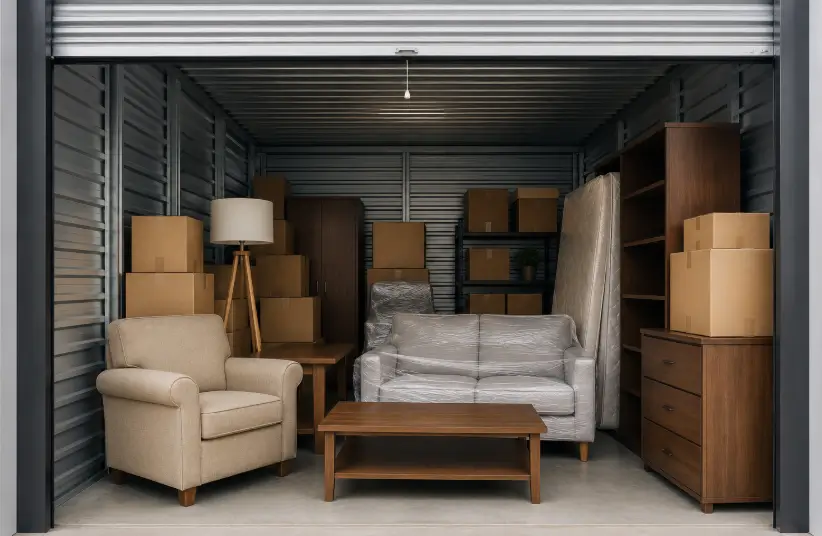
That’s where furniture storage Dubai services become useful. They give you breathing room, but only when the furniture is packed properly and the storage arrangement suits the items you own. A locked unit alone isn’t enough. Wood, leather, fabric, glass and mattresses all react differently when they’re left unused for weeks or months.
What Is Furniture Storage in Dubai?
Furniture storage is a temporary space for household or business items that can’t stay in their usual location.
You can rent a private unit and manage everything yourself, or choose a managed self storage Dubai service that collects, wraps, records, and stores your furniture until you need it back.
The service is often used during:
- Apartment and villa moves
- Renovation or maintenance work
- Overseas travel
- Office refurbishment
- Property handover delays
- Downsizing
- Temporary accommodation
Some customers store one sofa and a bed. Others need space for most of a villa. The right setup depends on volume, material, storage duration and how often you expect to access the furniture.
Why the Storage Method Matters
Furniture can be damaged while sitting still.
A wardrobe may be scratched while another item is pushed beside it. A sofa can lose its shape when heavy cartons are stacked on the cushions. Damp fabric may smell fine on collection day and unpleasant a month later.
Dubai’s heat also makes careless storage more risky. Wood may dry unevenly, leather can stiffen, and tightly wrapped items may hold trapped moisture.
Good storage helps protect against dust, handling damage, moisture, pests and poor stacking. It also saves you from making rushed decisions. Selling a quality dining set for a low price because your new home isn’t ready can cost more than storing it for a short period.
Which Furniture Storage Service Should You Choose?
A Private Self-Storage Unit
This is the closest option to having an extra room.
You rent a unit, arrange transportation and decide where every item goes. It works well when you want regular access or prefer to organise the furniture yourself.
The drawback is the physical work. Large sofas, wardrobes and bed frames aren’t easy to move without the right vehicle and enough people.
Managed Furniture Storage
Managed storage is more hands-off.
The company normally collects the furniture and keeps it in its warehouse. Some providers also offer dismantling, packing and return delivery.
This can be easier during a full move, although access may not be immediate. You may need to request an item in advance rather than visiting whenever you like.
Climate-Controlled Storage
Climate control is worth considering for furniture that doesn’t cope well with changing temperature or humidity.
It’s especially relevant for:
- Leather seating
- Solid wood furniture
- Mattresses
- Upholstered beds
- Antiques
- Artwork
- Valuable decorative pieces
Basic furniture may be fine in a clean standard unit for a short period. Expensive or sensitive items need more thought.
How to Prepare Furniture for Storage
1. Separate What You’ll Keep From What You Won’t
Don’t pay monthly storage fees for furniture you already dislike.
Walk through each room and be realistic. A strong wooden table may be worth keeping. A damaged bookcase that barely survived the last move probably isn’t.
This simple check can reduce the unit size and the moving cost.
2. Clean Every Piece
Furniture should be clean before it’s covered.
Vacuum sofas, wipe tables, remove crumbs from drawers and let cleaned surfaces dry fully. Don’t wrap anything while it still feels damp.
Food residue and moisture may attract pests or create smells, particularly during longer storage.
3. Take Clear Photos
Photograph the furniture before it leaves your property.
Capture corners, surfaces and existing scratches. This gives you a condition record and avoids arguments about whether a mark was already there.
You don’t need professional photos. Clear phone pictures are enough.
4. Dismantle Furniture Where It Makes Sense
Bed frames, dining tables and some wardrobes take up less room when dismantled. They can also be easier to carry through lifts and narrow doorways.
Put bolts, screws and brackets in labelled bags. “Main bedroom bed” is a much better label than “screws.”
Keep the bags together in one small box so they don’t disappear among household cartons.
5. Use Covers That Suit the Material
A moving blanket works well for many wooden surfaces. Mattress bags keep bedding clean. Corner protectors help tables and cabinets survive handling.
Glass needs firm protection and shouldn’t be left loosely leaning against a wall.
Avoid wrapping every item in layer after layer of ordinary plastic. It may keep dust away, but it can also trap moisture, particularly around wood and fabric.
6. Make an Inventory
Write down what has gone into storage.
Include the item, quantity, condition and room it came from. Number any boxes that hold shelves, fittings or furniture parts.
An inventory feels unnecessary when there are only five items. It becomes very useful when there are fifty.
What Does Furniture Storage Cost in Dubai?
There isn’t one useful price that applies to every customer.
The cost depends on how much space you need and how much work is included. A quote may change based on:
- Furniture volume
- Unit size
- Number of months
- Collection location
- Packing materials
- Dismantling
- Climate control
- Insurance
- Access requirements
- Return delivery
Ask whether the company charges by unit size, cubic volume or item count.
Also check what isn’t included. A monthly rate may exclude collection, labour, VAT, packing and delivery back to your home. The cheapest-looking quote can become expensive once those extras appear.
A written item list usually produces a more accurate quotation than saying, “I have some furniture from a two-bedroom apartment.”
Common Mistakes People Make
The first mistake is booking without seeing the storage conditions.
Website photos may show a bright, empty unit. Your furniture could be stored somewhere different. Ask for recent pictures or visit the facility when possible.
Another mistake is squeezing everything into the smallest unit. Yes, it may fit, but retrieving one chair from the back could require unloading half the space.
People also forget to:
- Empty drawers
- Label furniture parts
- Confirm insurance
- Check the notice period
- Ask about retrieval charges
- Keep a copy of the inventory
- Read the cancellation terms
Verbal promises are hard to prove. Get important details in writing.
Practical Tips That Make a Real Difference
Leave a narrow path through the unit. It isn’t wasted space. It means you can reach the back without climbing over furniture.
Keep items you may need near the entrance. Place strong, heavy furniture below lighter pieces, but don’t treat sofas as shelving.
Mattresses should stay supported rather than bending at the middle. Mirrors and glass tops need their own protected position.
For long-term storage, ask whether occasional inspection is possible. A loose cover is easy to fix early. It becomes a bigger problem after months of dust or moisture exposure.
Conclusion
Furniture storage is useful when your plans and your property dates don’t match.
The safest approach is to keep only worthwhile items, clean them, photograph their condition and use suitable packing materials. A clear inventory and written quotation also make the process easier.
Before choosing furniture storage in Dubai, compare the full service rather than the monthly price alone. Ask where the furniture will be kept, how it will be protected and what you’ll pay when it’s time to bring everything home.
More to Read:
DAMAC Hills 2 Dubai Area Guide | Location, Lifestyle & Properties
Share this article

Written by : UAE Script Staff
Follow us
A quick overview of the topics covered in this article.