
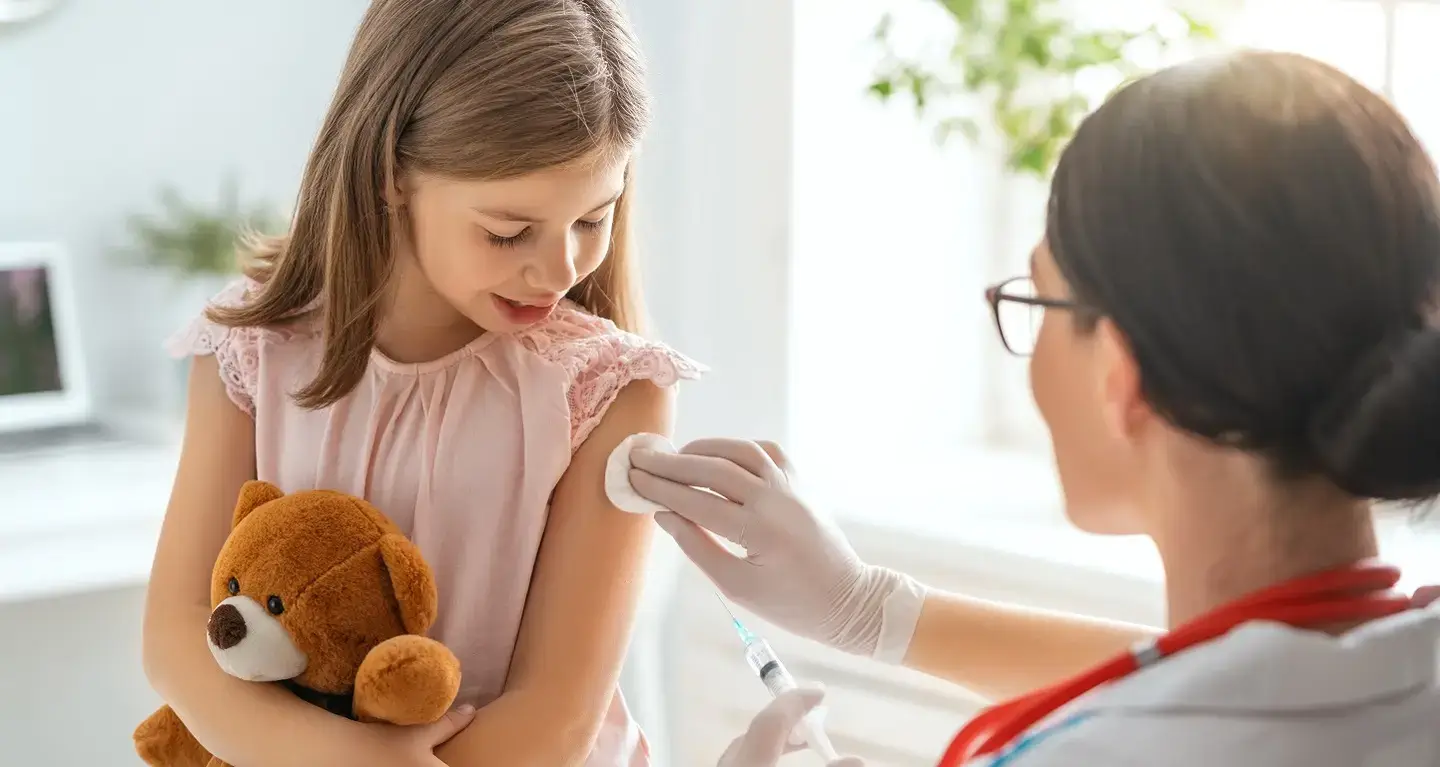
Childhood vaccination is one of the most effective public health measures ever developed. It has saved millions of lives worldwide by protecting children from serious and potentially life-threatening diseases.
Vaccines work by strengthening a child’s immune system, helping the body recognise and fight infections before they cause severe illness. While some diseases may seem rare today, this is largely because vaccination programs have been successful. Maintaining high vaccination coverage is essential to ensure children grow into healthy adults with strong immunity.
How Vaccines Protect Children?
Vaccines introduce a weakened or inactive form of a germ into the body, allowing the immune system to learn how to fight it safely. Once vaccinated, the body can respond quickly if exposed to the disease in the future. This protection is especially important during early childhood, when the immune system is still developing, and children are more vulnerable to infections.
Routine childhood vaccines protect against illnesses such as measles, polio, hepatitis, whooping cough, and tetanus, diseases that once caused widespread disability and death. By preventing these illnesses early in life, vaccines reduce hospitalisations, long-term complications, and medical costs.
Things You Need to Know About Vaccines
Vaccines play a crucial role in protecting children and communities from serious illnesses. Understanding what vaccines do, and what they do not do, can help parents make informed and confident health decisions.
What Vaccines Do:
- Protect against serious diseases: Vaccines help protect you and your child from many dangerous and potentially life-threatening diseases.
- Protect the wider community: By reducing the spread of infections, vaccines help safeguard family members and community members who cannot be vaccinated, such as newborn babies or individuals with weakened immune systems.
- Go through strict safety testing: All vaccines undergo rigorous testing before approval and continue to be closely monitored for safety and side effects after they are introduced.
- May cause mild, short-term side effects: Some may experience mild reactions such as a sore arm, slight fever, or feeling unwell for a day or two. These effects usually pass quickly.
- Help eliminate diseases: When enough people are vaccinated, some diseases can be significantly reduced or even completely eliminated.
What Vaccines Do Not Do:
- Do not weaken the immune system: Vaccines do not overload or weaken immunity. It is safe for children and adults to receive multiple vaccines at the same time, which also helps reduce the number of injections needed.
- Do not include harmful ingredients: All ingredients used in vaccines are essential for safety and effectiveness and are present only in very small, safe amounts. Moreover, physicians need to ensure that vaccines do not contain mercury (thiomersal).
- Do not cause autism: Extensive research and large scientific studies have found no evidence linking vaccines, including the MMR vaccine, to autism.
Why Childhood Vaccination Is Essential for Long-Term Health
- Protecting Against Preventable Diseases
Vaccinations train a child’s immune system to recognise and fight harmful infections before they cause serious illness. Diseases such as measles, mumps, whooping cough, and polio once led to widespread complications, disability, and even death. Immunisation has greatly reduced these risks, helping children stay healthy during their most vulnerable years.
- Reducing the Spread of Infections
Children spend significant time in schools, daycare centres and social settings where germs spread easily. Vaccination lowers the risk of outbreaks in these environments, creating safer spaces for learning, play, and interaction. When more children are immunised, community-wide protection increases, helping control the spread of infectious diseases.
- Supporting Herd Immunity
High vaccination coverage protects not only vaccinated children but also those who cannot receive vaccines due to medical conditions. This collective protection, known as herd immunity, helps shield newborns, individuals with weakened immune systems, and others at higher risk, strengthening overall community health.
- Building Stronger Immune Systems
Vaccines contribute to long-lasting immune memory. Each dose strengthens the body’s ability to respond quickly and effectively to infections, reducing the risk of severe complications such as pneumonia, meningitis, or long-term disability. Early immune support lays the foundation for healthier adolescence and adulthood.
- Preventing Long-Term Health Complications
Some childhood illnesses can cause lasting damage to vital organs if left untreated. Vaccination helps prevent these outcomes, reducing the likelihood of chronic health problems and repeated hospital visits later in life.
- Encouraging Preventive Healthcare Habits
Regular vaccination visits promote ongoing engagement with healthcare providers. These visits allow parents to track growth, discuss development, and receive guidance on preventive care, building confidence and trust in long-term health decisions.
Bottom Line
Childhood vaccination is a cornerstone of long-term health and disease prevention. It protects children from serious illnesses, reduces the risk of lifelong complications, and strengthens community health through herd immunity. By following recommended vaccination schedules and seeking guidance from trusted healthcare providers, parents can give their children a healthier, safer future.
Vaccination is not just a personal choice but a shared responsibility that benefits generations to come. Preventive care also plays a role in safeguarding long-term organ health. It is important to have a hospital supported by specialised services such as pediatric cardiology Dubai, which emphasises early prevention and lifelong well-being.
Related:
Comprehensive Guide to Mina Rashid Screening Center
Share this article

Written by : UAE Script Staff
Follow us
A quick overview of the topics covered in this article.