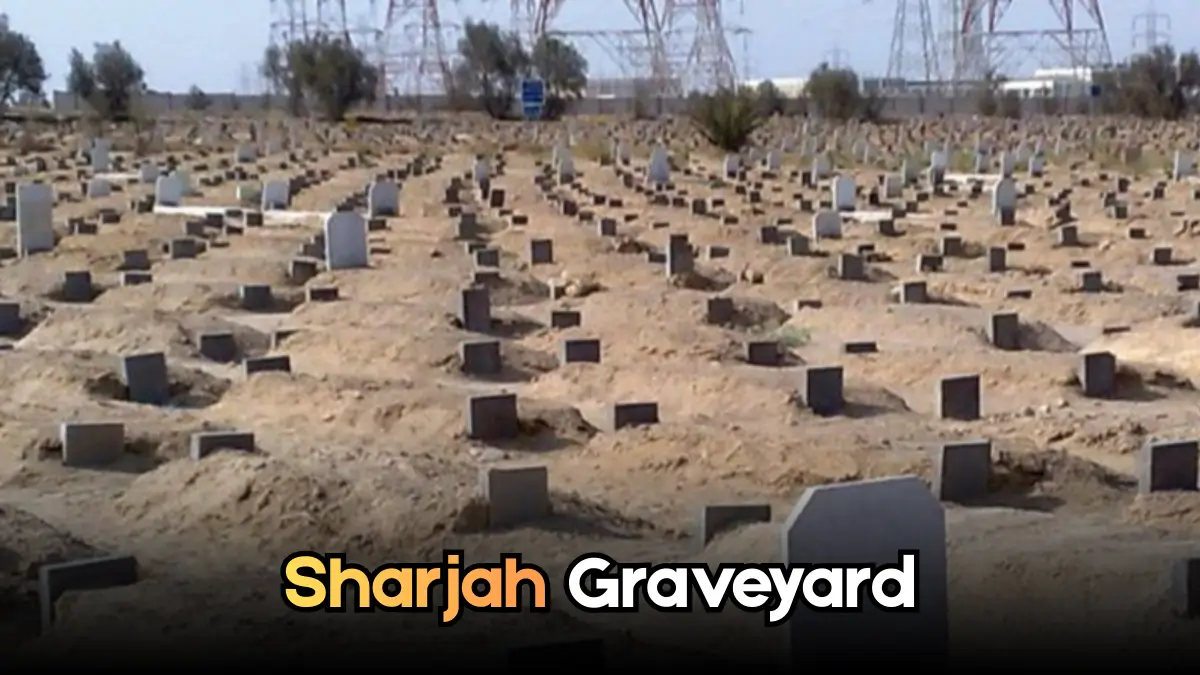
The cemeteries are not just the graves of the dead but a historical, cultural and religious heritage of a city. Sharjah is among the wealthiest emirates of the United Arab Emirates that have graveyards that are proving the centuries of Islamic tradition and culture. As the pre-historic graves to the present day cemeteries, the graveyards of Sharjah give information regarding how the city cherishes the concept of life, death, and memory.
The guide will inform us about the history, culture, places of interest, the visiting rules and modern activities regarding Sharjah Graveyard through this guide. Whether you are a visitor, carrying out a research or just interested in the Islamic manner of burying the dead, this article will provide you with more information in an organized and easy to understand manner.
Location
History of Haram Cemetery at Sharjah
Sharjah graveyards are rooted in the Islamic culture and emirate history. The interred burial practice taking place in the specific burial grounds is an ancient practice that demonstrates the value given by the Arab and the Islamic faith to reverence, pride and memory.
In the early days, the graves in Sharjah were simple and anonymous and located in small communal locations outside of the city. The city had to develop into an active urban centre and as a result, there was a necessity to invent orderly graveyards. At the turn of the 20 th century, Sharjah municipality has begun to regulate the graveyards in order to preserve good conditions and dignity of the deceased persons.
Islamic burial is a tradition that has significant implications on the practices and arrangement of these graveyards. The graves are usually aligned to the direction of Mecca (Qibla) and the corpse is laid on right side of the body. Gravestones tend to be plain and Islamic principles of humility are portrayed. There have been other graves that have been historically significant over the years with some of the leaders and the great families of those times having their graves making some cemeteries a great source of information both in the aspect of culture and the historical factors.
Cultural and Religious Meaning
Sharjah graveyards are not just convenient locations, but they have a significant amount of cultural and religious connotations. Death in the Islamic religion is a part of life and the funeral process is done with rituals which glorify the dead and console the living.
Paying respect to a graveyard in Sharjah is also a respectful thing to do. The families tend to gather together to say prayers, clean graves, and even reflect on the lives of their people. These are supposed to encourage remembering, mental reflection and moral responsibility. The Sharjah culture requires respect and modesty, which ensures that graveyards are so grave, serene and undisturbed.
The cemeteries in Sharjah serve as well as the locus of the community memory. Historical graves contain the stories about families, tribal backgrounds and great personalities, who contributed to the development of the emirate. These sites can provide the historical information to the cultural enthusiasts regarding architecture, interpretations, and the local culture.
Major Graveyards in Sharjah
There are several fascinating graveyards in Sharjah, the historical significance of each of them is different.
Sharjah Public Graveyard
The largest cemetery in the emirate is Sharjah Public Graveyard that is situated at the outskirts of the city. It is well maintained and in good condition and the graves are aligned according to the Islam tradition. The cemetery has men, women and children areas and locals usually flock the cemetery to pay tributes.
Al Heera Graveyard
The Al Heera is one of the most ancient graveyards in Sharjah. It also has great historical significance as there are graves which are of several decades. The cemetery is the source of information about the burial practices in ancient Islam and it is one of the places that historians and scholars are concerned about.
Other Local Cemeteries
There are also the smaller community cemeteries located at Sharjah on top of the main graveyards. They are normally sited in and around the residential areas and serve the local areas. All the cemeteries are also localized and retain the culture of the respect, privacy, and proper maintenance.
The other graves belong to historical individuals, chiefs of people or families that have contributed greatly towards the development of Sharjah. These graves are visited by researchers or people who are interested in heritage studies.
Paying Visits, Visiting, Rules, Etiquette and Guidelines
General Guidelines
-
Wear plain clothes; not like a showgirl.
-
Speak in a low tone to maintain the seriousness of the spot.
-
Do not give graves pictures without permission.
-
One must not sit or step on graves.
Islamic Etiquette
-
Mutter prayers over the dead.
-
Consoling those who visit the graves.
-
Carrying of food or beverages is prohibited within the cemetery.
Practical Tips
-
Most of the open graveyards are open during the day or during the afternoon till sunset.
-
Tourists are expected to follow signs and stay at the locations of being identified.
-
It is supposed to monitor the children in order to respect the site.
Following of such guidelines also contributes to the peaceful, respectful and culturally suitable graveyards to reflect upon.
The Modern Graveyard Traditions in Sharjah
Municipal Management
Most of the public cemeteries in the region are under the management of Sharjah municipality who ensure their maintenance, keeping in records and ensuring that they are clean. The digital grave maps and records have turned out to be a contemporary device to guide the families within a relatively fast and effective way to locate the graves.
Green Funerals
Eco friendly burial in Sharjah and UAE are becoming more and more popular in the recent past. Such behaviors target to reduce the implication on the environment, through biodegradable materials and non-toxic maintenance. The conventional methods rule the day, although the use of the environmentally friendly methods is gradually being adopted.
Community Engagement
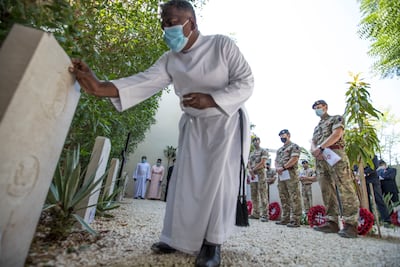
The communities are involved in any activities to maintain the cemeteries such as cleaning and maintenance of graves as part of Sharjah communal values. Cultural or historical tours either in other cemeteries also exist, pointing out interesting graves and their histories.
Conclusion
The graveyards of Sharjah are not the graves themselves, they are the landmarks of the culture and history and are sacred. Ever since the ancient graves like Al Heera up to the modern and well planned graves which are under the jurisdiction of the Sharjah municipality, these graves denote how seriously the emirate takes the Islamic practices and community heritage.
Whether it is to pay respects, research as well as learn local culture, knowing the history, rules, and etiquette of Sharjah graveyards would make this experience worth the respect. Sharjah is also continuously marking the past as it educates the young generation about the importance of keeping track of the past and cultural heritage as another method of celebrating its history.
FAQ’s
Can people who are not Muslims visit Sharjah graveyards?
Yes, there are also cemeteries where it is not mandatory that the people are Muslims, but still, the visitors should not disrespect traditions and manners of locals.
Do they conduct tours to graveyards in Sharjah?
The guided tours on demand are only provided and some historical cemeteries may be visited to offer information visits to the researchers.
Wherewilt I find a grave?
The municipal graveyards usually have digital records or maps that are used in the location of graves.
But how should one honor and respect?
Grace, mumble a prayer, no grave-digging, dress in a good way.
Can families take care of graves?
However, yes, you may keep and even wash up graves, and you have to do it according to the cemetery rules.
Are there visiting hours?
Most of the cemeteries are left open all day till the evening.
Can you take children to the cemetery?
Yes, but, they ought to be handled and act in a respecting way.
Are there any graves with fees?
The charges are not usually levied to those who visit the graves that are under the area of the public cemetery.
Is photography allowed?
Capturing of photos is discouraged, and without authorization.
Is it special seating of key leaders?
Yes, there are also a few cemeteries that are dedicated to historical or prominent community members.
Share this article

Written by : UAE Script Staff
Follow us
A quick overview of the topics covered in this article.