
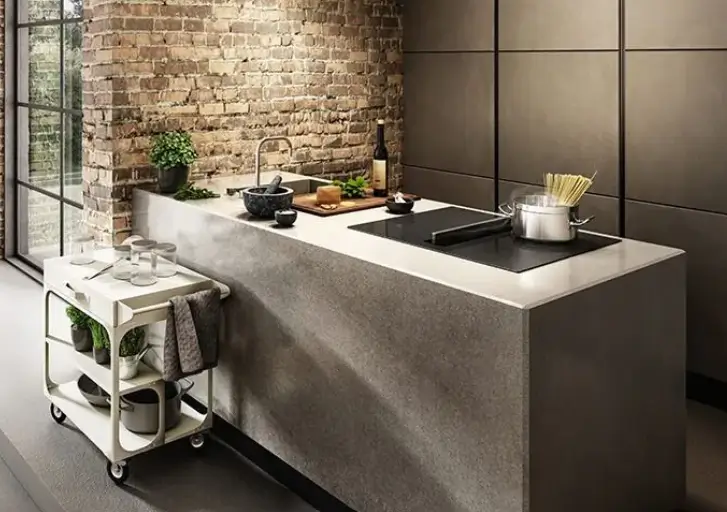
Choosing innovative kitchen appliances goes beyond aesthetics. It directly impacts how safe, efficient, and functional your space is for everyday cooking. When it comes to built-in cooking hobs, they play a central role in how precisely and comfortably you can prepare meals.
With so many options available, selecting the right cooking hob requires more than a quick comparison of price or design. In this guide, we’re sharing practical and expert advice to help you make the best decision.
From the different types of cooking hobs and the features that impact daily use, to installation considerations and long-term upkeep, you’ll gain clarity and valuable information on what’s worth prioritising.
What Are The Different Types of Cooking Hob?
While picking the right hob is one of the most crucial decisions in the kitchen, it’s also often misunderstood. Not all cooking hobs perform the same, and the ideal choice depends less on trends and more on how you cook, what your kitchen can support, and how much control you want day to day.
Below is a breakdown of the different types of hobs and where each one performs best. We’ve also outlined the price ranges of each to help set realistic expectations and identify where to invest for performance and long-term use.
Gas Cooker Hobs
Gas models remain a popular choice for cooks who value visible flame control and immediate heat adjustment. They’re responsive when it comes to increasing or reducing intensity, proving useful for techniques like searing, simmering, and stir-frying.
They’re also compatible with almost any cookware, from heavy cast iron to lightweight pans. That said, they need regular cleaning, proper ventilation, and careful attention to safety features such as flame-failure protection.
Best suited for:
- Cooks who prefer tactile control
- Frequent high-heat cooking
- Kitchen already set up for gas connections
Cost:
Generally mid-range; higher-end models include flame-failure safety, multiple burners, and premium materials.
Induction Cooker Hobs
Induction surfaces heat cookware directly instead of simply warming it, resulting in faster cooking times and precise temperature regulation. They’re also more energy-efficient and safer to use, as they keep the surrounding area relatively cool.
The trade-off? Only induction-compatible cookware will work with them, and installation may also require sufficient electrical capacity. Even so, many households find that the performance benefits far outweigh these limitations.
Best suited for:
- Modern kitchens that prioritise safety and efficiency
- Energy-conscious households
- Precision-focused cooking
Cost:
Tend to cost more upfront due to technology; benefits include fast heating, precision, and energy efficiency.
Extractor Hobs
With an integrated ventilation system directly into the cooking surface, these hobs remove smoke and odours as you cook. They remove the need for a separate range hood and can be ideal for compact kitchens or open-plan layouts.
Extractor hobs feature adjustable speeds, powerful extraction fans, and sometimes, filters suitable for recirculation. Installation may require professional guidance to ensure airflow and electrical connections are correct.
Best suited for:
- Cooks who value modern, integrated design
- Kitchens with limited space for a separate hood
- Open-plan layouts where odour control is critical
Cost:
Premium pricing due to integrated ventilation; ideal for compact kitchens or open-plan spaces.
Vitroceramic Hobs
These hobs feature a smooth glass-ceramic surface that distributes heat evenly across the cooking zone. They’re easy to clean and provide a modern aesthetic, making them popular in minimalist kitchens.
While they’re not as responsive as gas or induction hobs, ceramic models maintain stable temperatures and work well for general-purpose cooking.
Best suited for:
- Cooks who want an easy-to-clean surface
- Moderate daily cooking needs
- Kitchens that prioritise a streamlined and contemporary look
Cost:
Usually affordable to mid-range; simple, easy-to-clean design with consistent heat distribution.
Electric Cooker Hobs
Electric models provide steady, consistent heat through coil or radiant elements. They’re typically more affordable than induction or hybrid units, and are rather simple to operate.
Response time is slower than gas or induction, but electric cooker hobs are durable and easy to maintain. They’re a practical choice for everyday cooking when precise, rapid heat adjustments aren’t a priority.
Best suited for:
- Low-maintenance cooking setups
- Consistent, moderate-temperature cooking
- Homes where budget and simplicity matter
Cost:
Often the most budget-friendly, reliable, low-maintenance, but slower heat response.
Hybrid Cooker Hobs
Hybrid hobs combine two heating methods, usually gas and induction, within a single unit. This allows cooks to enjoy fast, precise induction alongside traditional flame control, all in one workspace.
Note that these models often come at a higher price point. However, the flexibility is unmatched for kitchens with varied cooking needs or households with multiple cooking preferences.
Best suited for:
- Homes with diverse cooking styles
- Users who prefer versatility in a single appliance
- Buyers upgrading to a premium kitchen setup
Cost:
Top-tier cost; combines features from gas and induction, offering maximum flexibility.
Key Hob Features that Impact Everyday Cooking
Selecting the right type of hob is only part of the equation. Even within the same category, features can dramatically affect your day-to-day experience. Understanding what matters and why will help you pick a model that suits your habits and performs reliably.
1. Burner size and cooking zones
Not all burners are created equal. Bigger zones allow you to use wide pots and pans, while smaller burners save energy for low-heat tasks. Multi-zone designs or flexible cooking areas offer the freedom to cook multiple dishes at once without compromise.
Properly-sized burners help reduce wait times, improve cooking efficiency, and prevent uneven heating.
2. Control systems
Hobs feature a variety of controls: traditional knobs, touch-sensitive panels, or even smart interfaces. Knobs are intuitive and often durable, while touch controls offer precise adjustments. Smart hobs may integrate timers, boosters, or app connectivity for greater convenience.
The control system you choose impacts how easily you manage heat and monitor cooking progress.
3. Safety features
When it comes to cooking, safety isn’t optional. Look for features such as:
- Flame-failure protection for gas models
- Automatic shut-off timers
- Residual heat indicators on electric and induction hobs
- Child-lock systems
These protections prevent accidents and help give peace of mind, especially in busy households.
4. Durability and surface material
Cooker hobs come in stainless steel, glass ceramic, or mixed finishes. Steel is durable and scratch-resistant, while the latter offers a sleek look and easy cleaning. Some high-end units combine both, offering durability without sacrificing aesthetics.
Practical Buying Tips
When selecting a cooking hob, it’s important to balance your kitchen layout, cooking habits, and budget.
Match the hob to your cooking style
Frequent high-heat cooking favours gas hobs, while precision and safety lean toward induction. Ceramic and electric units suit moderate daily use, and extractor hobs work well in compact or open-plan spaces. Hybrid hobs offer flexibility if you need both options.
Consider size and layout
Think about available counter space, burner arrangements, and workflow in the kitchen. Larger zones allow for wide pots, while flexible zones help multitask efficiently.
Prioritise essential features
Safety systems, intuitive controls, easy-to-clean surfaces, and maintenance-friendly designs save time and ensure long-term performance. Features like boosters, timers, or smart functions are bonuses that improve convenience.
Plan for installation and connections
Check cut-out dimensions, ventilation requirements, and electrical or gas compatibility. We recommend professional installation to avoid issues and protect your warranty.
Think long-term
Durability, ease of maintenance, and energy efficiency matter as much as upfront cost. Investing in reliable models reduces repair costs and extends lifespan.
How to Keep Your Hob in Good Condition?
Maintaining your cooking hob is essential if you want consistent performance and longevity. Below are some key practices to consider:
- Clean regularly: Wipe spills immediately on all surfaces to prevent residue buildup. Avoid abrasive cleaners or harsh scrubbing to protect surfaces.
- Inspect gas components: Check burner ports and seals occasionally to ensure proper flame performance and safety.
- Maintain extractor filters: Wash or replace filters as recommended to keep airflow efficient and remove smoke or cooking odours efficiently.
- Check controls and sensors: Ensure touch panels, knobs, and timers function correctly and remain free of debris and grease.
Following these tips helps your cooker hob to work efficiently, and in turn, reduces the likelihood of repairs or replacements in the future.
Explore Premium Cooking Hobs for Your Kitchen
Selecting the ideal cooking hob elevates both function and design of your kitchen. More than aesthetics, you must consider how it suits your needs and lifestyles. From precise induction units to versatile gas and hybrid models, you’ll find options designed to improve everyday cooking, maximise efficiency, and make the most out of your kitchen setup.
Share this article

Written by : UAE Script Staff
Follow us
A quick overview of the topics covered in this article.
Latest articles

February 24, 2026

February 24, 2026

February 24, 2026