
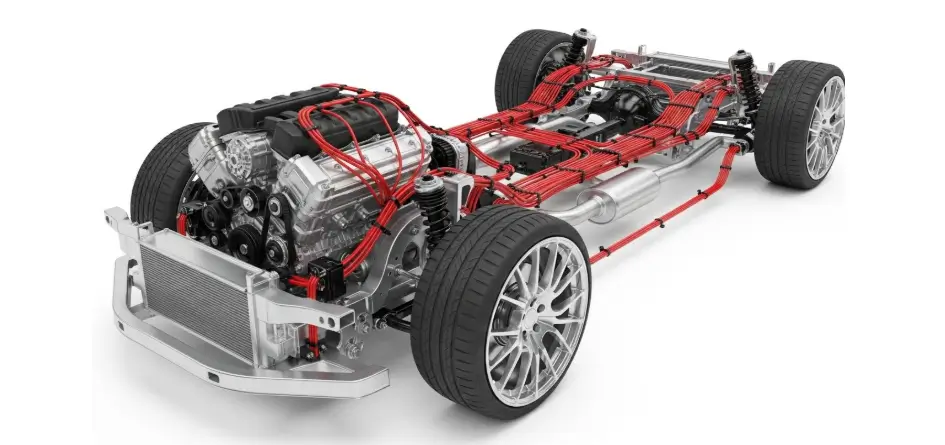
Abu Dhabi is known for its intense heat, especially during the long summer months. While modern cars are built with advanced technology, extreme temperatures still place heavy stress on electrical systems. From batteries to sensors and control units, heat can slowly reduce performance if proper care is not taken.
Understanding how heat affects your car’s electrical parts helps you prevent breakdowns, save money, and keep your vehicle reliable year-round.
Why Heat Is a Big Challenge for Cars in Abu Dhabi
Cars today depend more on electronics than ever before. Even basic vehicles now use computers to control fuel delivery, braking, steering, and safety systems. In Abu Dhabi, road temperatures can rise far above the air temperature. Under the hood, heat builds up quickly and stays trapped for long periods.
Electrical parts are sensitive. When exposed to constant heat, they age faster and lose efficiency. This does not happen overnight, but damage builds up slowly if ignored.
Car Batteries and Extreme Heat
The car battery is one of the first components affected by high temperatures. Heat speeds up chemical reactions inside the battery. This causes internal fluids to evaporate faster and weakens internal plates.
In Abu Dhabi, many batteries fail earlier than expected due to heat exposure. Signs of heat-related battery stress include:
- Slow engine cranking
- Warning lights on the dashboard
- Frequent jump-start needs
- Battery swelling or leakage
Regular inspections and timely Car Battery Replacement in Abu Dhabi help drivers avoid sudden failures, especially during peak summer months.
Wiring and Electrical Cables Under Stress
Wires carry power and signals throughout the vehicle. These wires are coated with insulation designed to protect them. However, extreme heat can make insulation brittle over time.
When insulation cracks or hardens, wires may short-circuit or lose proper contact. This can cause:
- Flickering lights
- Power window issues
- Faulty dashboard readings
- Random electrical malfunctions
Keeping the engine bay clean and avoiding oil leaks helps reduce heat buildup around wiring.
Impact on Sensors and Control Units
Modern vehicles rely on sensors to measure temperature, air flow, speed, and pressure. These sensors send data to control units, which then adjust engine and safety systems.
High heat can affect sensor accuracy. Over time, sensors may send incorrect readings or fail. Common issues include:
- Check engine light turning on
- Poor fuel efficiency
- Rough engine idling
- Delayed gear shifting
Electronic control units (ECUs) also suffer from heat stress. Prolonged exposure may lead to internal circuit damage.
Alternator Performance in Hot Conditions
The alternator charges the battery and powers electrical systems while the engine runs. High heat increases internal resistance and reduces efficiency.
In Abu Dhabi’s climate, alternators work harder due to increased use of air conditioning, cooling fans, and electronic features. Heat-related alternator issues include:
- Weak battery charging
- Electrical power loss
- Warning lights while driving
Regular system checks help detect early signs before total failure occurs.
Air Conditioning Load on Electrical Systems
Air conditioning is essential in Abu Dhabi. However, constant AC use puts extra strain on the electrical system.
The AC compressor, blower motor, and cooling fans all draw power. When electrical components are already weakened by heat, this added load can expose hidden issues.
Ensuring proper AC maintenance helps balance electrical demand and prevent overload.
Dashboard Displays and Infotainment Systems
Modern dashboards and infotainment screens are sensitive to temperature changes. Extreme heat can cause:
- Screen lag or freezing
- Display dimming
- Touchscreen malfunction
- System restarts
Parking in shaded areas and using sunshades can reduce cabin heat and protect interior electronics.
Starter Motor and Heat Soak
After driving in heavy traffic, the engine heat remains trapped. This condition is known as heat soak. When restarting the car, the starter motor may struggle due to increased resistance caused by heat.
Symptoms include delayed starts or clicking sounds. Allowing the engine to cool slightly before restarting can help, especially during peak summer hours.
Why Modern Cars Feel the Heat Effects More
Older vehicles had fewer electronics. Modern cars rely on computers for almost every function. While technology improves performance and safety, it also increases sensitivity to heat.
High-density circuits, small sensors, and compact engine bays mean heat has less space to escape. That is why preventive care matters more today than ever before.
Simple Steps to Protect Your Car’s Electrical System
You cannot change the climate, but you can reduce its impact. Simple habits go a long way in protecting your vehicle.
Smart Maintenance Tips:
- Check battery condition before summer starts
- Keep engine cooling systems clean
- Avoid cheap electrical repairs or wiring shortcuts
- Use quality replacement parts
- Park in a shaded or covered area
- Address warning lights early
Regular inspections help spot issues while they are small and manageable.
The Role of Preventive Diagnostics
Modern diagnostic tools can detect electrical stress before failure happens. A routine scan can identify weak sensors, charging issues, or voltage irregularities.
This proactive approach improves reliability and extends component life, especially in hot environments like Abu Dhabi.
Final Thoughts
Abu Dhabi’s heat is brutal on modern car electrical systems, but it does not have to shorten your vehicle’s life. Batteries, wiring, sensors, and control units all react to prolonged heat exposure. The key is awareness and preventive care.
By understanding how heat affects your car and taking timely action, you can enjoy smoother drives, fewer breakdowns, and better long-term performance. Smart maintenance today protects your vehicle tomorrow.
Share this article

Written by : UAE Script Staff
Follow us
A quick overview of the topics covered in this article.
- Why Heat Is a Big Challenge for Cars in Abu Dhabi
- Car Batteries and Extreme Heat
- Wiring and Electrical Cables Under Stress
- Impact on Sensors and Control Units
- Alternator Performance in Hot Conditions
- Air Conditioning Load on Electrical Systems
- Dashboard Displays and Infotainment Systems
- Starter Motor and Heat Soak
- Why Modern Cars Feel the Heat Effects More
- Simple Steps to Protect Your Car’s Electrical System
- The Role of Preventive Diagnostics
- Final Thoughts