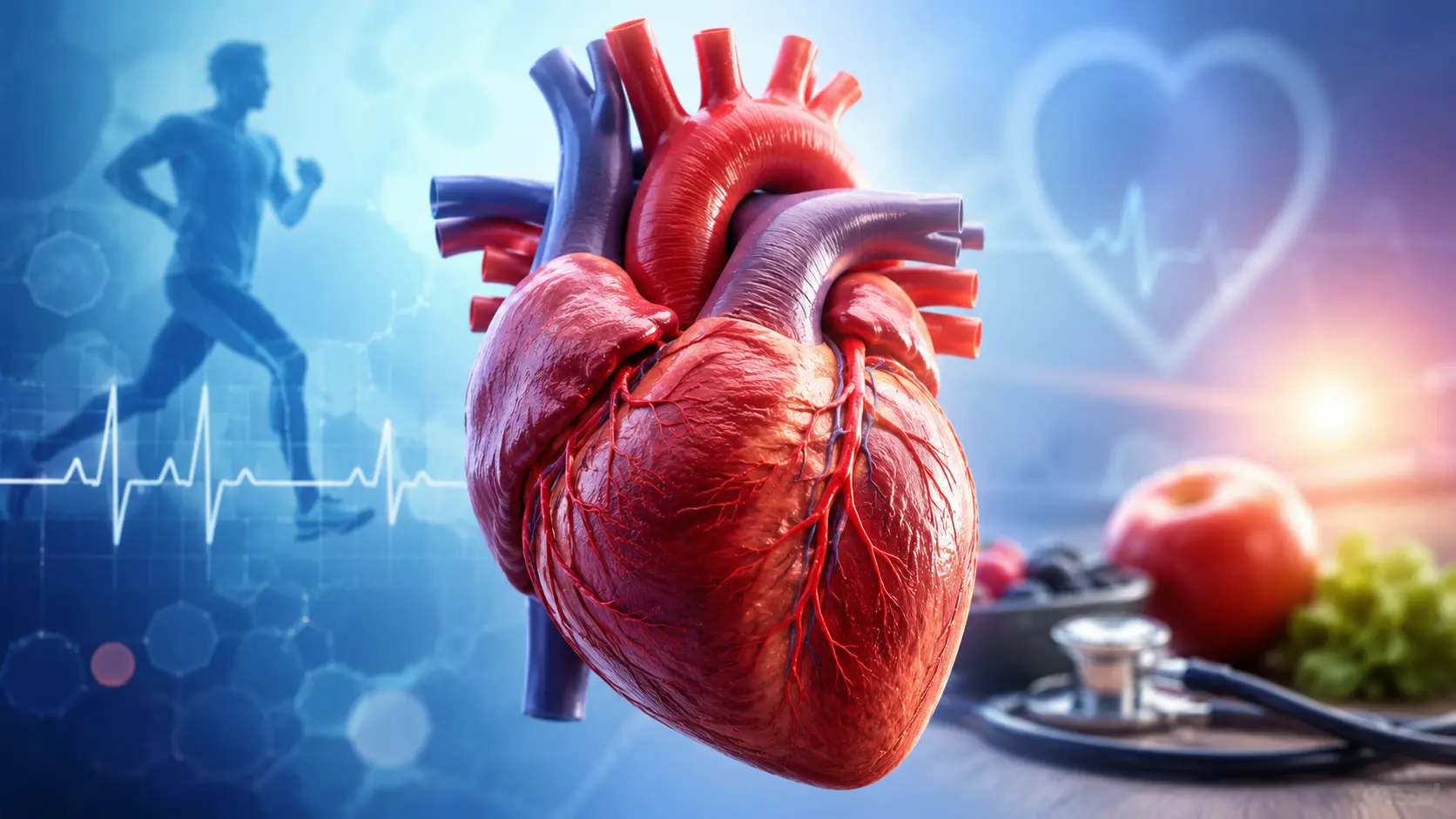
The heart performs an extraordinary task without asking for attention. Every minute, it pumps blood through an intricate network of arteries and veins, delivering oxygen and nutrients to every organ. Most people rarely think about this remarkable process until something changes. A racing heartbeat, persistent chest discomfort or unexplained fatigue often becomes the first sign that the cardiovascular system needs medical attention. By then, the disease may already have been developing for years.
That is precisely why cardiology has become one of the most influential specialities in modern medicine. It extends far beyond treating heart attacks. Today, cardiologists focus on preventing disease, detecting hidden abnormalities, restoring blood flow, managing chronic conditions and helping patients maintain healthy hearts throughout every stage of life.
What Modern Cardiology Covers
Cardiology encompasses the diagnosis and treatment of disorders affecting the heart and circulatory system. These include coronary artery disease, hypertension, heart failure, valvular heart disease, cardiac arrhythmias, congenital heart defects, cardiomyopathy, peripheral arterial disease and diseases of the aorta.
The speciality has also shifted towards prevention. Many cardiovascular conditions develop silently over decades. High cholesterol, diabetes mellitus, obesity, smoking, physical inactivity and poorly controlled blood pressure gradually damage blood vessels before symptoms appear. Identifying these risk factors early allows clinicians to reduce the likelihood of serious complications such as myocardial infarction, stroke and progressive heart failure.
Each patient presents differently. Some arrive with severe chest pain, while others experience only breathlessness during routine activities or an irregular heartbeat that comes and goes. Careful clinical assessment remains the foundation of accurate diagnosis.
Looking Beyond Symptoms
No single investigation provides every answer. Instead, cardiologists combine different diagnostic tools to understand how the heart functions and why symptoms occur.
An electrocardiogram (ECG) quickly evaluates the heart’s electrical activity and often identifies arrhythmias or evidence of myocardial ischaemia. Echocardiography uses ultrasound to assess cardiac chambers, ventricular function, valve movement and blood flow in real time. Holter monitoring records intermittent rhythm disturbances over twenty-four hours or longer, helping detect abnormalities that may not appear during a routine consultation.
When further anatomical detail becomes necessary, cardiac CT provides high-resolution images of the coronary arteries, while cardiac MRI evaluates myocardial structure, fibrosis, inflammation and congenital abnormalities with exceptional precision. Coronary angiography continues to serve as the definitive investigation for significant coronary artery disease because it allows diagnosis and treatment during the same procedure.
Modern Treatment Has Changed Cardiac Care
Remarkable advances have transformed cardiovascular treatment over the past two decades. Procedures that once required major surgery now often involve minimally invasive techniques performed through a catheter inserted into the wrist or groin.
Percutaneous coronary intervention (PCI) restores circulation by opening narrowed coronary arteries with balloon angioplasty before placing drug-eluting stents to maintain long-term vessel patency. Electrophysiologists perform catheter ablation to treat selected rhythm disorders, while structural heart specialists repair or replace diseased heart valves using transcatheter techniques in appropriately selected patients.
Medical therapy remains equally important. Antiplatelet agents, anticoagulants, statins, beta-blockers, ACE inhibitors, angiotensin receptor blockers, mineralocorticoid receptor antagonists and SGLT2 inhibitors have substantially improved survival among patients with cardiovascular disease. Lifestyle modification continues to complement these therapies through healthier nutrition, regular exercise, smoking cessation, weight management and optimal diabetes control.
Cardiology in Dubai: Comprehensive Care for Every Stage of Heart Disease
Dubai has developed one of the region’s most advanced cardiovascular care networks. Modern cardiac centres combine specialist expertise with sophisticated diagnostic technology, hybrid operating theatres, catheterisation laboratories, coronary care units and multidisciplinary Heart Teams capable of managing both routine and highly complex cardiac conditions.
Heart failure deserves particular attention because it affects millions of people worldwide and often requires lifelong management. Although the condition cannot always be reversed, timely diagnosis and evidence-based treatment frequently improve both symptoms and quality of life. Patients seeking advanced evaluation and long-term management often choose the best hospital for heart failure, where cardiologists, heart failure specialists, imaging experts, rehabilitation teams and specialist nurses collaborate to deliver comprehensive, patient-centred care. Close monitoring, medication optimisation and structured follow-up all play essential roles in reducing hospital admissions and improving long-term outcomes.
Managing cardiovascular disease successfully often requires more than one medical speciality. Diabetes, chronic kidney disease, obesity and vascular disorders commonly exist alongside heart disease, making coordinated care essential rather than optional. Many patients therefore prefer receiving treatment at the best hospital in Dubai, where cardiologists work seamlessly with endocrinologists, nephrologists, cardiac surgeons, radiologists, physiotherapists and nutrition specialists to create personalised treatment plans that address the whole patient instead of focusing on a single diagnosis.
The Future of Heart Care
Cardiology continues to evolve as technology expands the possibilities of diagnosis and treatment. Artificial intelligence now assists with ECG interpretation, cardiac imaging and risk prediction, while wearable devices allow earlier identification of rhythm disturbances outside the hospital setting. Even so, clinical judgement remains irreplaceable. Every patient has a unique medical history, different priorities and individual risk factors that require thoughtful interpretation rather than automated decision-making.
Conclusion
The heart works continuously throughout life, and protecting it requires the same level of commitment from healthcare professionals. Modern cardiology combines scientific evidence, advanced technology and compassionate clinical care to prevent disease, treat complex conditions and support lifelong cardiovascular health. Early assessment, timely intervention and coordinated specialist management remain the strongest foundations for healthier hearts and better patient outcomes.
Share this article

Written by : Barika Awad
Barika Awad writes for UAE Script, specializing in UAE finance and lifestyle content — from bank services to visa and residency guides. She's passionate about making official processes easier to understand for expats and residents alike.
Follow us
A quick overview of the topics covered in this article.